Embrace the Awkward: How the Strangest Moments Became My Richest Stories
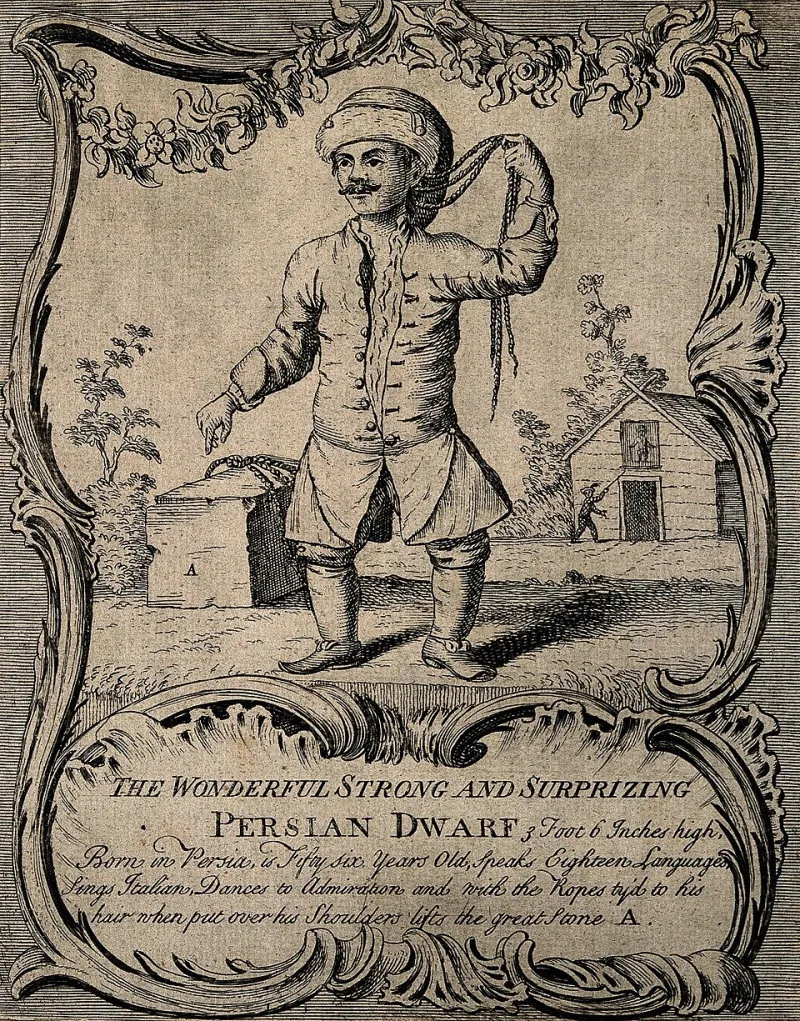
Photo: Unknown, CC BY 4.0, via Wikimedia Commons
Let me paint you a picture. You get a call — or a message, or a random ask at a party — and whatever's being proposed sounds a little off. Maybe it's performing at a venue you've never heard of. Maybe it's agreeing to be part of some event that's hard to explain to your mom. Your gut says this is weird, and your brain starts drafting the polite decline.
I've been there more times than I can count. And I'll be honest with you: some of the best creative material I've ever had came from moments where I almost said no.
That's not a humble-brag. That's a pattern I've noticed over years of working in entertainment — and once you see it, you can't unsee it.
The Comfort Zone Is a Content Graveyard
Here's the thing nobody tells you early in a creative career: safe experiences make forgettable stories. When everything goes smoothly, when every gig is exactly what you expected, when you stick to the familiar circuit — you get competent. You might even get polished. But you rarely get interesting.
Interesting comes from friction. It comes from the unexpected venue where the sound system dies halfway through and you have to improvise for twenty minutes with nothing but your voice and a crowd that's half-checked-out. It comes from agreeing to host an event you barely understand and figuring it out in real time.
The uncomfortable stuff is where character gets built. And character — yours, as a performer and creator — is what people actually connect with.
A Few Examples From My Own Life (The Unfiltered Version)
I once agreed to emcee a fundraiser for an organization I'd never worked with before. The brief was vague. The venue was a converted warehouse in the middle of nowhere. I showed up and realized the "stage" was a folding table and the audience included a goat. An actual goat. Someone's idea of a mascot.
I could have phoned it in. Instead, I leaned into every bit of strangeness that night — the goat, the acoustics, the fact that half the crowd was there for the open bar and not for me. By the end, I had material that landed better than anything I'd carefully crafted that year.
Another time, a friend convinced me to participate in a local storytelling night outside my usual wheelhouse. Different crowd, different format, way shorter time slot than I was used to. Constraints forced me to be sharper, funnier, more intentional. I walked out with a tighter sense of what I was actually trying to say.
Neither of those opportunities looked good on paper. Both of them made me better.
The Framework: How to Spot Your Own 'Weird Stuff' Opportunities
So how do you start recognizing these moments before they pass you by? Here's how I think about it now:
1. Notice the hesitation. When something makes you pause — not because it's dangerous or unethical, but because it feels unfamiliar or slightly uncomfortable — pay attention to that pause. That's often where the interesting stuff lives.
2. Ask: what's the worst realistic outcome? Not the catastrophic fantasy your brain invents, but the actual most likely downside. Most of the time, the answer is something like "it doesn't go great and I learn something." That's survivable. That's actually useful.
3. Look for the story potential. Before you say no, ask yourself: if this goes sideways, is it at least going to be a good story? If the answer is yes, that's a green light. The best creative material often comes wrapped in a little chaos.
4. Say yes before you overthink it. There's a window — usually pretty short — where saying yes is still easy. Once you start running through every possible scenario, the no becomes more likely. Make the decision faster than feels comfortable.
5. Show up with your eyes open. Saying yes doesn't mean going in blind. It means going in curious. Bring your notebook, your phone, your attention. Treat the weird thing like research, because it is.
Why This Matters for Long-Term Creative Work
I'm not suggesting you take every random opportunity that comes your way. Discernment still matters. But there's a difference between being strategic and being scared — and a lot of creators, myself included at various points, confuse the two.
The entertainers and storytellers who have real longevity aren't the ones who played it perfectly safe. They're the ones who accumulated a life full of varied, sometimes ridiculous experiences and knew how to translate those into something an audience could feel.
Your weirdest stories are your most human ones. And human is what keeps people coming back.
So next time something lands in your lap and your first instinct is to scroll past it — pause for a second. Ask yourself if you're saying no because it's wrong for you, or because it's just unfamiliar. There's a big difference. And one of those reasons is actually worth listening to.
The other one? That's just your comfort zone trying to keep you boring.
Say yes to the weird stuff. I promise you'll have more to talk about.